
How successful are AI-discovered drugs in clinical trials? A first analysis and emerging lessons
Will A.I. live up to its proposed goals?

This paper was generated with the assistance of ChatGPT
Highlights
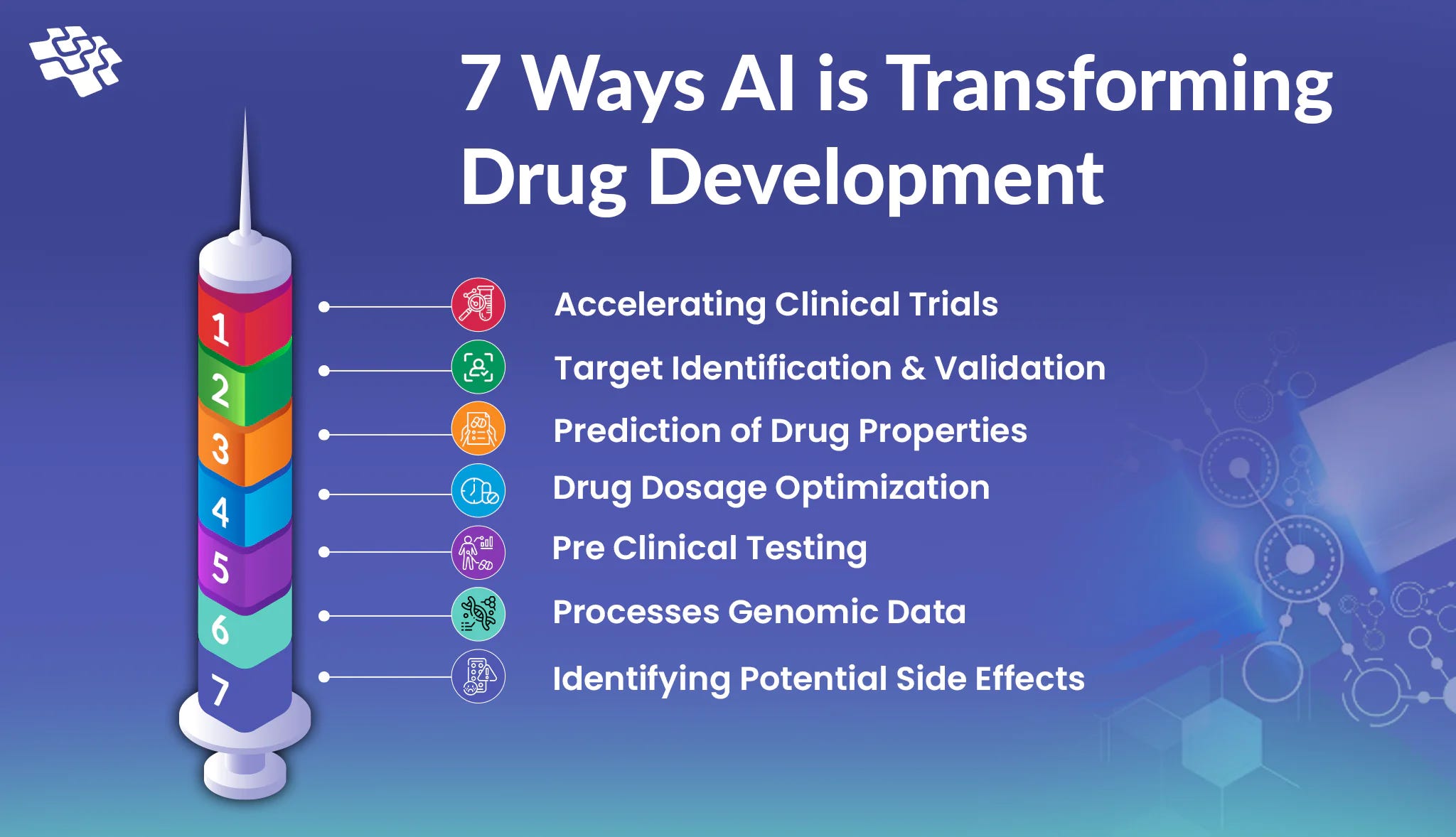
Over the past 5 years, increasing numbers of drugs and vaccines have been discovered with AI.
We conducted a first analysis of the clinical pipelines of AI-native Biotech companies.
In Phase I trials, AI-discovered molecules are substantially more successful than historic industry averages.
This suggests that AI algorithms are highly capable of generating or identifying molecules with drug-like properties.
Our analysis provides an early glimpse of the exciting clinical potential of AI-discovered molecules.
AI techniques are making inroads into the field of drug discovery. As a result, a growing number of drugs and vaccines have been discovered using AI. However, questions remain about the success of these molecules in clinical trials. To address these questions, we conducted a first analysis of the clinical pipelines of AI-native Biotech companies. In Phase I we find AI-discovered molecules have an 80–90% success rate, substantially higher than historic industry averages. This suggests, we argue, that AI is highly capable of designing or identifying molecules with drug-like properties. In Phase II the success rate was ∼40%, albeit on a limited sample size, comparable to historic industry averages. Our findings highlight early signs of the clinical potential of AI-discovered molecules.
DRUG DISCOVERY
Patrick Vallance, in Pharmacology and Therapeutics, 2009
Drug discovery is a high-risk, high-reward business that requires a multidisciplinary approach. Drug discovery is the process of identifying and characterizing molecules with the potential to safely modulate disease, and to bring medicines that can improve the lives of patients. It is a lengthy and resource-intensive process, that requires close cooperation across multiple disciplines. Optimizing the process of drug discovery is of great interest to the pharmaceutical industry, as the efficient identification and selection of suitable drug candidates can have a dramatic impact on the cost and profitability of new medicines. This review will describe certain key facets of the drug discovery process, including drug discovery team composition, target selection, lead identification, and lead optimization.
Factors influencing the balance of pharmaceutical, pharmacodynamic, and pharmacokinetic parameters will also be discussed every successful drug, there are usually identifiable champions who have been prepared to stand by the drug through the tortuous route. The easiest decision at every stage of drug discovery is to kill the project, and there are usually reasons to consider doing so. Keen scientific judgment is required. The key elements are scientific and clinical insight, tenacity and passion, and at each stage, an understanding of the experimental approach to answering defined questions. The optimal unit for drug discovery integrates the science of the various functions including chemistry, biology, clinical science, and toxicology.
The pharmaceutical industry has embraced the use of AI in R&D (p13) By early 2024, each of the top 20 pharmaceutical companies had announced activities in the space. A substantial proportion of these activities take place as collaborations between pharmaceutical companies and biotechnology companies specializing in AI (the so-called AI-native Biotechs). As a result, partnership deals in the AI space have increased enormously in number and size over the past 5 years. (p13) Despite strong progress in the field, many open questions remain. Perhaps most important are questions about the quality of AI-discovered molecules, especially their safety and efficacy in clinical trials. (p14) To begin answering some of these questions, we have conducted a first analysis of the industry-wide pipeline of AI-discovered drugs and vaccines, focusing specifically on clinical success rates. Because of the limited number of these molecules in clinical trials and the rapid evolution of the field, this is very much a preliminary analysis that, over time, will need to be confirmed. However, given the importance of the topic to the industry, we believe it is crucial to report this early evidence and discuss its potential implications.
The distance from an AI-designed molecule to a clinical trial and then on to clinical use is straightforward, however, it is a steep and treacherous acceptance process.
Implications for AI-powered drug discovery
Our analysis suggests that in Phase I trials, AI-derived molecules can have a success rate of 80–90%, which is a substantially higher success rate than historic averages. (p1),(p15),(p16),(p17) This improvement in success rates could be due to several different reasons. One reason could be that AI discovery efforts pursue well-validated biological targets and pathways, which reduces the risk of on-target toxicity. Although this might play a part, we are seeing early signs of molecules going after novel targets passing through Phase I (we see at least three such molecules in our analysis which were all successful in Phase I, plus possibly more for which targets are not yet disclosed; see supplementary material Table S3 online). Therefore, we believe that the high Phase I success rate is not just the result of going after well-validated biology. The use of artificial intelligence is in its infancy for drug development as it is in healthcare and most industries. There will be iterations of the language models. Early use of AI may be disappointing. Initial investments may often fail, just as progress in space travel experience. Will AI developers and biotech companies persevere through early failure? The conservative view is that the pipeline will be widened for more throughput. Time will tell if a wider pipeline will result in clinically useful drugs.
The Phases of Clinical Trials
The four main phases of clinical trials for drugs are:
Phase I
Determines the safety and dosage of a new treatment in a small group of patients. Doctors also try to find the best way to give the treatment.
Phase II
Evaluate the effectiveness of the drug and its side effects in a larger group of patients. Phase II trials also help determine therapeutic doses for Phase III studies.
Phase III
Confirms the efficacy of the drug compared to standard treatments. Phase III trials are often randomized, so patients don't choose which treatment they receive.
Phase IV
Studies the long-term effects of the drug after it's been approved by the FDA and made available to the public. Phase IV trials involve thousands of participants.
Each phase is critical and can halt further development and/or use by patients.
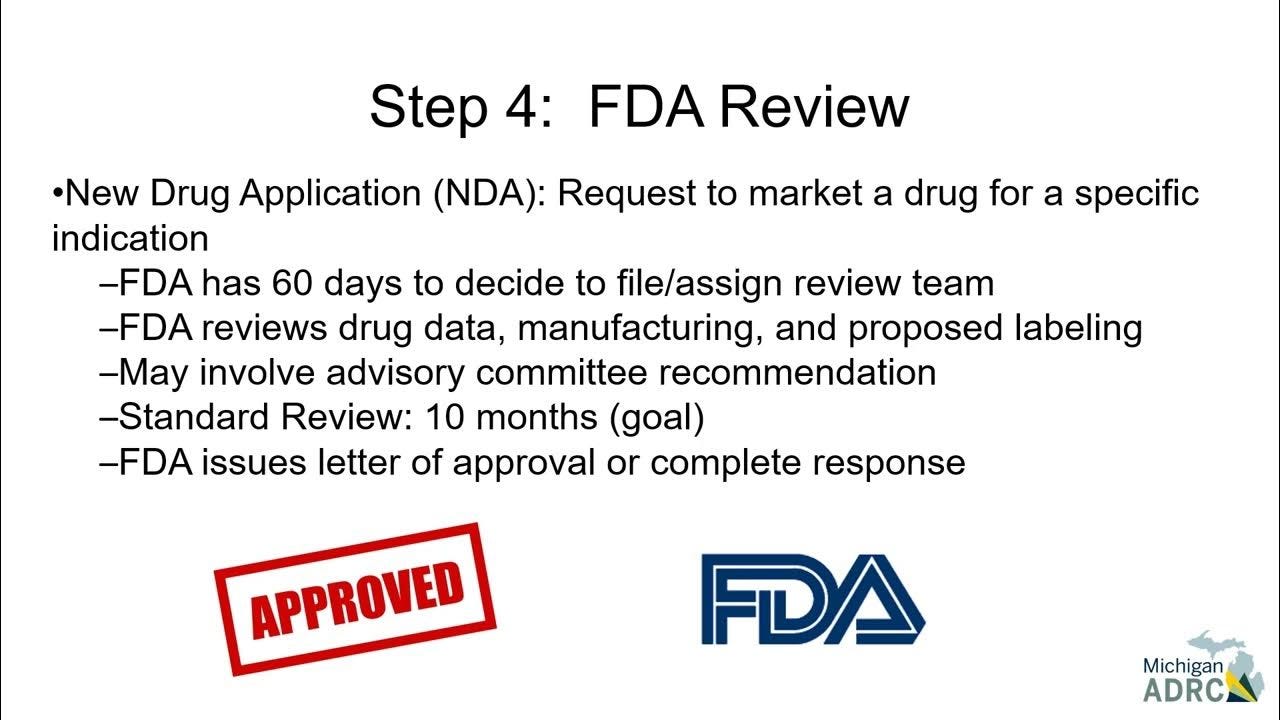
The Food and Drug Administration regulates Clinical Trials